

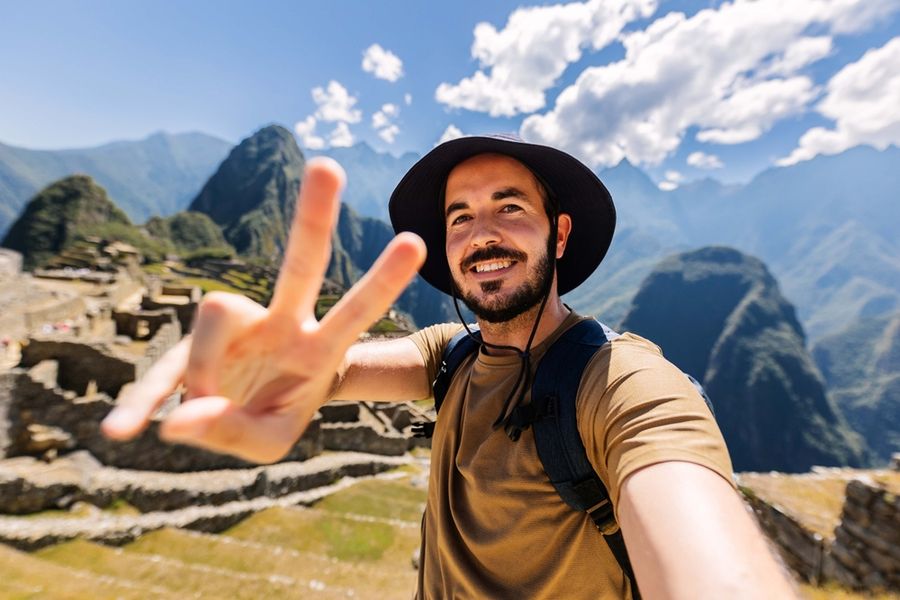
Solo travel can be one of the most empowering experiences a person can have. It offers freedom, independence, and the chance to move at a personal pace without compromise. At the same time, traveling alone comes with unique challenges that require preparation and awareness. Safety is not about fear—it’s about smart planning, confidence, and knowing how to protect personal well-being in unfamiliar places. With the right habits and mindset, solo travel can feel exciting, rewarding, and surprisingly comfortable from start to finish.
Choose the Right Destination for Solo Travel
Destination choice plays a major role in how safe and confident solo travel feels. Some locations are naturally easier for solo travelers because of reliable public transportation, strong tourism infrastructure, and a reputation for being welcoming. Researching safety rankings, local customs, and travel advisories can help narrow down options. First-time solo travelers often feel more comfortable starting with well-known cities or countries where navigation feels straightforward.
It also helps to consider personal travel style when selecting a destination. A traveler who enjoys calm environments may feel safer in quieter towns rather than crowded party areas. Comfort can come from choosing a place with familiar language support, accessible healthcare, and plenty of accommodations.
Plan Ahead Without Overplanning
Preparation is one of the best ways to reduce stress during solo travel. Booking the first night of lodging, researching airport transportation, and saving important addresses can prevent confusion after arrival. Having a basic itinerary also makes it easier to feel grounded in a new environment. Knowing where to go and what to expect helps reduce anxiety, especially when traveling alone.
At the same time, flexibility is part of the solo travel experience. Overplanning every hour can create pressure and make the trip feel rigid. A better approach is to plan the essentials and leave room for spontaneous moments. A balance between structure and freedom helps solo travelers stay confident without feeling overwhelmed.
Stay Aware of Surroundings and Trust Instincts
Situational awareness is one of the most valuable skills for solo travelers. Paying attention to surroundings can prevent problems before they happen. Staying alert in busy areas, avoiding distractions like constant phone use, and noticing exits in unfamiliar places are simple habits that make a big difference.
Trusting instinct is just as important as practical safety tips. If a situation feels uncomfortable, leaving quickly is always a smart decision. Solo travelers should never worry about appearing rude when personal safety is involved. Confidence grows when boundaries are respected and decisions are made quickly.
Protect Important Documents and Personal Belongings
Keeping personal items secure helps solo travelers feel more in control. Passports, cash, and credit cards should be stored in safe locations such as a hotel safe, a hidden pouch, or a secure travel wallet. Carrying only what is needed for the day reduces the risk of major loss. A backup plan, such as digital copies of documents, can also provide peace of mind.
Technology can also support security while traveling alone. Locking phones with passcodes, using secure Wi-Fi connections, and avoiding public device charging stations can help prevent theft or hacking. Bags should be kept zipped and close to the body in crowded spaces.
Stay Connected Without Sharing Too Much
Staying connected is an important safety strategy for solo travelers. Sharing an itinerary with a trusted friend or family member ensures someone knows where the traveler is supposed to be. Checking in periodically can provide reassurance, especially when moving between destinations. Many solo travelers also use location-sharing apps for additional security, especially during nighttime outings.
Privacy matters just as much as staying connected. Sharing real-time location publicly on social media can increase risk by letting strangers know someone is alone. A safer approach is posting photos after leaving a location. When meeting new people, personal details should be shared carefully until trust is established. A confident solo traveler knows how to be friendly while still protecting privacy.
Solo Travel Becomes Easier With Experience
Confidence tends to grow quickly once solo travel becomes familiar. Each trip teaches new skills, from navigating airports to communicating across cultures. Even small challenges help build independence and resilience. Over time, solo travelers often feel more comfortable handling unexpected delays, language barriers, or last-minute itinerary changes. Confidence is built through action, not perfection.
Solo travel can also strengthen personal identity and emotional well-being. Spending time alone often encourages self-reflection and clarity. Many travelers return home feeling more capable, open-minded, and proud of personal accomplishments. With careful planning and a safety-focused mindset, solo travel becomes less intimidating and more empowering.