

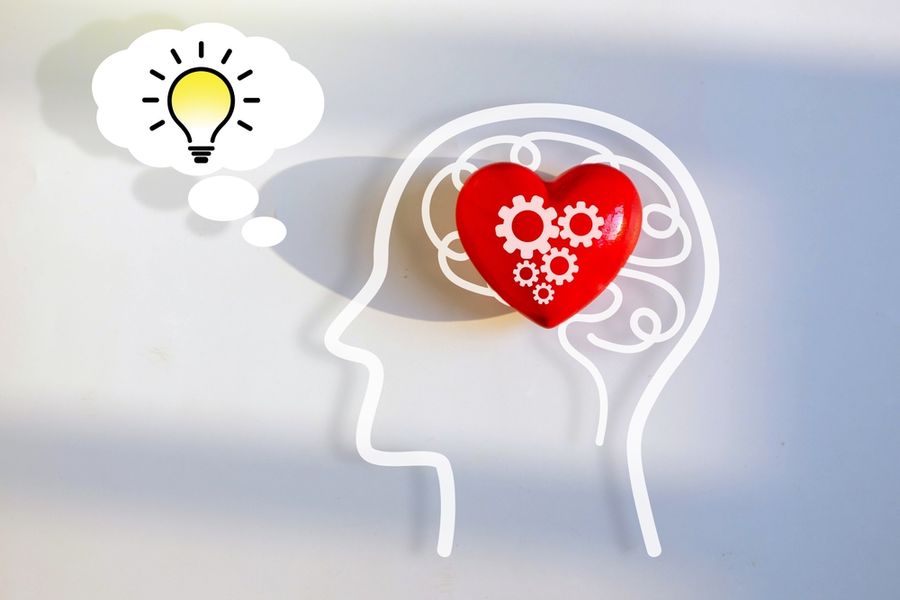
Emotional intelligence is one of the most valuable skills for building stronger relationships, improving communication, and handling stress more effectively. While intelligence is often measured through knowledge or logic, emotional intelligence focuses on understanding feelings and responding with awareness. It affects how people manage emotions, handle conflict, and connect with others. High emotional intelligence can improve confidence, decision-making, and leadership skills in both personal and professional life.
What Emotional Intelligence Means
Emotional intelligence, often called EQ, refers to the ability to recognize, understand, and manage emotions. It includes awareness of personal feelings as well as the ability to understand emotions in other people. Emotional intelligence helps guide behavior in a thoughtful way rather than reacting impulsively. People with strong emotional intelligence tend to communicate more clearly, respond calmly under pressure, and handle difficult situations with more control.
Emotional intelligence also includes empathy and social awareness. It allows people to notice emotional cues, understand how others may be feeling, and respond with care. This skill is important in friendships, romantic relationships, and workplace interactions. Emotional intelligence can influence how well people resolve conflict, build trust, and maintain healthy boundaries.
The Key Components of Emotional Intelligence
Emotional intelligence is commonly broken into several core components. One of the most important is self-awareness, which involves recognizing personal emotions and understanding what triggers them. Self-awareness helps people notice patterns, such as becoming frustrated during stressful situations or feeling anxious during uncertainty. Without self-awareness, emotions can control behavior without the person realizing it.
Another important component is self-regulation, which is the ability to manage emotions in a constructive way. This includes staying calm during conflict, controlling impulsive reactions, and responding thoughtfully instead of emotionally. Emotional intelligence also includes motivation, empathy, and social skills. Motivation refers to the ability to stay focused and positive even during challenges.
Why Emotional Intelligence Matters in Everyday Life
Emotional intelligence affects daily life in ways many people do not realize. Strong EQ helps people manage stress, reduce emotional outbursts, and handle pressure more effectively. When emotions are understood and managed, challenges feel less overwhelming. Emotional intelligence can also improve decision-making because people are less likely to act based on anger, fear, or frustration.
EQ is also important for relationships. People with emotional intelligence tend to listen better, communicate with more patience, and respond with empathy. This can reduce conflict and strengthen trust. Emotional intelligence supports healthier boundaries and helps people express feelings without blame or defensiveness. In the workplace, EQ is often linked to leadership ability and teamwork.
How to Develop Emotional Intelligence Through Self-Awareness
Developing emotional intelligence begins with understanding personal emotions. One helpful strategy is regularly checking in with feelings throughout the day. Many people experience emotions without labeling them, which can lead to confusion or emotional buildup. Naming emotions such as frustration, disappointment, excitement, or anxiety can create clarity and reduce emotional intensity.
Journaling is another powerful tool for building self-awareness. Writing about emotional experiences can help people recognize what caused a reaction and how they responded. Over time, patterns become easier to notice. Mindfulness practices can also improve emotional awareness by helping people stay present instead of reacting automatically. Paying attention to physical sensations such as tension, rapid breathing, or clenched muscles can also reveal emotional stress.
Strengthening Emotional Intelligence Through Better Communication
Communication plays a major role in emotional intelligence because emotions often show up during conversation. One way to improve EQ is by practicing active listening. Active listening means paying attention without interrupting, avoiding assumptions, and focusing fully on the other person. Many conflicts happen because people listen only to respond rather than listening to understand.
Using clear and respectful language is also important. Expressing emotions through “I” statements can reduce defensiveness and improve understanding. For example, saying “I feel overwhelmed” is often more effective than blaming someone else. Emotional intelligence also involves recognizing tone and body language. Calm communication during stressful situations helps build trust and reduces conflict.
Emotional Intelligence Is a Lifelong Skill
Emotional intelligence is not something people are simply born with or without. It is a skill that can be strengthened through awareness, practice, and personal growth. Developing EQ improves emotional stability, communication, and the ability to handle stress. It supports stronger relationships by encouraging empathy, patience, and understanding. Emotional intelligence also helps people feel more confident in social settings and more capable during conflict.
Building emotional intelligence takes effort, but the results are meaningful. Small habits such as mindfulness, journaling, and active listening can create noticeable progress. Learning to pause before reacting and focusing on empathy can improve the way people handle difficult situations. Emotional intelligence strengthens leadership, trust, and emotional resilience.