

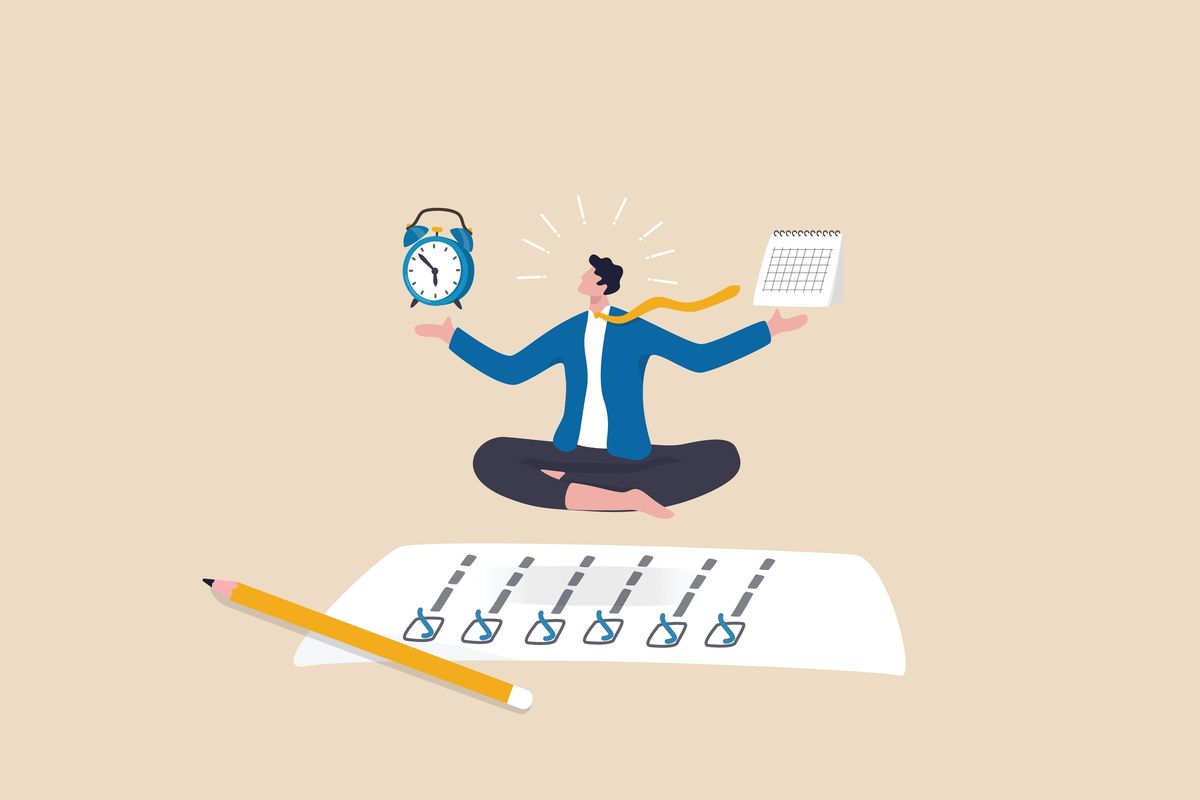
Self-discipline is often seen as the key to success, but many people associate it with pressure, exhaustion, and constant self-control. When discipline is approached too aggressively, it can lead to burnout rather than progress. True self-discipline is not about forcing productivity at all costs. It is about building sustainable habits that support long-term goals without draining mental or physical energy. Learning how to strengthen self-discipline in a balanced way can improve consistency, motivation, and confidence while protecting overall well-being.
What Self-Discipline Really Means
Self-discipline is the ability to follow through on commitments even when motivation fades. It involves choosing long-term benefits over short-term comfort, such as completing tasks, maintaining habits, or working toward goals. Self-discipline is not about perfection or constant intensity. Instead, it is about consistency and self-trust. People with healthy discipline know how to pace themselves and adjust expectations when necessary.
Many people misunderstand self-discipline as rigid control or self-punishment. This mindset often leads to guilt and exhaustion. Healthy self-discipline includes flexibility and self-awareness. It allows room for rest and recovery while still maintaining direction. Discipline becomes sustainable when it supports well-being rather than working against it.
Why Burnout Happens When Discipline Is Misused
Burnout often occurs when discipline is driven by pressure, fear, or unrealistic expectations. Pushing constantly without rest can overload the nervous system and reduce motivation. Many people rely on willpower alone, which is a limited resource. When willpower runs out, exhaustion and frustration follow. Burnout can show up as fatigue, irritability, loss of motivation, and difficulty concentrating.
Another cause of burnout is tying self-worth to productivity. When people believe they must always be productive to feel valuable, rest can feel undeserved. This mindset creates a cycle of overworking and guilt. Burnout also happens when goals are too rigid or overwhelming. Without flexibility, discipline turns into stress.
Build Discipline Through Small, Sustainable Habits
One of the most effective ways to improve self-discipline is starting small. Large goals often feel intimidating and increase resistance. Small habits feel manageable and easier to repeat. For example, committing to five minutes of exercise is more sustainable than forcing an hour every day. Small actions reduce mental resistance and help build momentum. Over time, these habits naturally grow stronger.
Consistency matters more than intensity when building discipline. Repeating a habit regularly trains the brain to expect it. Discipline improves when habits feel automatic rather than forced. Attaching new habits to existing routines can also help. For example, journaling after brushing teeth or stretching before bed creates structure.
Use Structure Instead of Willpower
Relying on willpower alone can make discipline feel exhausting. Structure helps reduce the need for constant decision-making. Creating routines, schedules, and clear priorities makes it easier to stay consistent. When actions are planned ahead of time, there is less room for procrastination or mental debate.
Environment also plays a major role. Removing distractions, preparing materials in advance, and organizing spaces can improve follow-through. For example, keeping workout clothes visible or placing a notebook on a desk encourages action. Structure creates support systems that make discipline easier.
Balance Discipline With Rest and Recovery
Rest is an essential part of sustainable discipline. Without recovery, the body and mind cannot perform at their best. Rest helps prevent burnout by allowing energy to recharge. Many people resist rest because they fear losing momentum. In reality, rest often improves focus and productivity.
Rest also includes mental recovery. Stepping away from screens, practicing mindfulness, or spending time outside can restore balance. Sleep plays a critical role in discipline because fatigue reduces self-control. A well-rested body is more capable of consistent effort. Scheduling rest intentionally helps discipline feel balanced rather than draining. Recovery allows discipline to remain strong over time.
Sustainable Discipline Supports Long-Term Growth
Self-discipline does not have to come at the cost of mental or physical health. When built thoughtfully, discipline supports progress without leading to burnout. Small habits, supportive structure, and regular rest create balance. Discipline works best when it is flexible, realistic, and connected to purpose.
Improving self-discipline is a long-term process that evolves over time. It strengthens through self-awareness, patience, and practice. Discipline built on self-trust and balance leads to steady progress rather than exhaustion. When approached in a healthy way, self-discipline becomes a tool for growth instead of pressure.